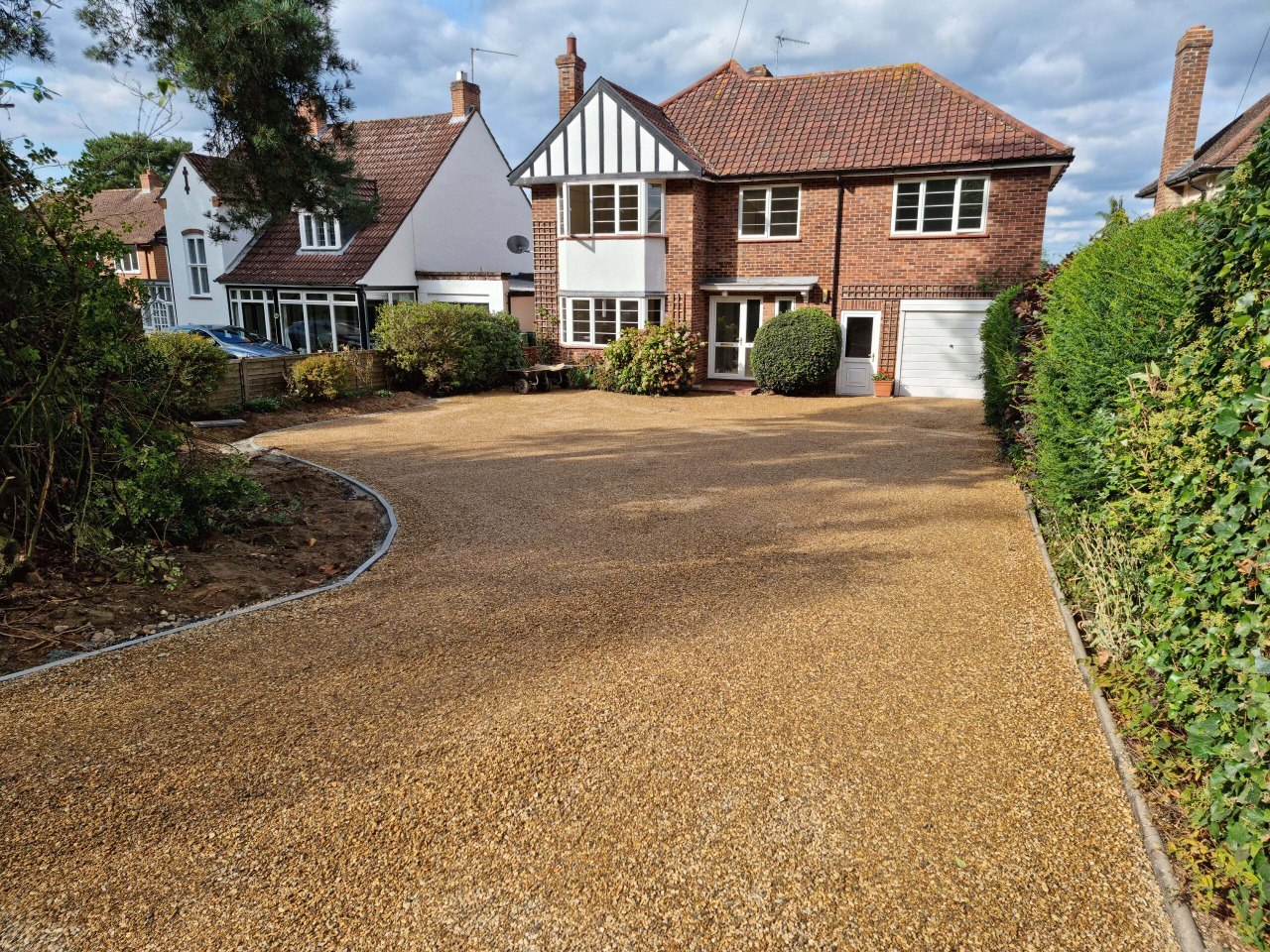
Farm Road Tarmac: Creating Strong and Reliable Access Routes
Reliable access is essential for farms and rural properties in Rothwell, Northamptonshire. Farm roads can experience regular vehicle movements, changing weather conditions and demanding day-to-day use, so the surface needs to be designed around its intended purpose.
Tarmac can provide a practical surfacing solution for farm access routes when the ground is properly prepared and the finished surface is constructed to suit the expected use. From vehicle entrances to routes connecting different areas of a property, a well-planned tarmac road can improve access and create a more consistent surface.
What Makes Farm Roads Different?
Farm access routes can face different demands from a typical residential driveway. Agricultural vehicles, delivery vehicles, trailers and other equipment may regularly travel across the surface.
Mud, soil and water can also be carried onto the road, while seasonal weather can affect the condition of the underlying ground. These factors make proper planning and preparation particularly important.
Before installing a farm road, the expected traffic, existing ground conditions, drainage and route layout should all be considered.
Benefits of Tarmac for Farm Access Routes
Tarmac provides a continuous, firm surface that can accommodate regular vehicle movements when correctly constructed. Unlike loose surfacing, the finished material remains bound together, creating a consistent route.
A smooth surface can also make access more straightforward for vehicles and reduce areas where mud and loose material can accumulate.
The suitability of tarmac will depend on the specific requirements of the farm, particularly where heavy agricultural vehicles are involved.
Preparing the Ground Correctly
The strength of a farm road depends heavily on the foundation beneath the tarmac. If weak or unstable ground is not addressed before surfacing, the finished road can develop problems such as cracking, rutting or uneven areas.
Preparation may involve clearing unsuitable material, improving weak sections and constructing an appropriate sub-base. The depth and construction should be considered in relation to the expected traffic and ground conditions.
Good preparation provides the foundation needed for the finished surface to perform reliably.
Managing Drainage on Farm Roads
Water is an important consideration when planning any farm access route. Poor drainage can leave water sitting on the surface or saturate the ground underneath, potentially affecting the condition of the road.
The route should therefore be designed with suitable falls and drainage arrangements. Existing ditches, drainage channels and surrounding ground levels may need to be considered as part of the project.
Effective water management can help reduce standing water and protect the road from avoidable deterioration.
Designing Access for Agricultural Vehicles
The layout of a farm road should reflect how vehicles will use it. Agricultural machinery can be larger and less manoeuvrable than standard cars, so sufficient width and suitable turning areas may be required.
Access points should also be considered carefully, particularly where vehicles need to enter from an existing road or move between different parts of the property.
Planning the route around actual vehicle movements can help create a more functional access surface.
Tarmac for Farm Entrances and Connecting Routes
Farm tarmac does not necessarily need to cover an entire property. It can be used selectively in areas where reliable access is particularly important.
For example, tarmac may be suitable for entrances, frequently used access routes, areas around buildings or sections that experience regular vehicle traffic.
A targeted approach can help create a more practical route while working with the existing layout of the property.
Maintaining a Farm Tarmac Road
Regular maintenance can help identify problems before they become more extensive. The surface should be checked periodically for cracks, potholes, edge deterioration and areas where water is not draining correctly.
Mud, soil and other debris should be cleared where they interfere with drainage or vehicle access. Drainage channels and outlets should also be kept clear.
Addressing early signs of deterioration can help maintain the condition and usability of the road.
Professional Farm Road Tarmac in Rothwell
Rothwell Driveways & Patios provides professional tarmac surfacing for farm access routes in Rothwell, Northamptonshire. Each project can be assessed according to the intended vehicle use, existing ground conditions, drainage and layout of the property.
From farm entrances and connecting routes to other heavily used access areas, careful preparation and appropriate surfacing methods can help create a strong and practical route.
If you are considering a new or improved farm access road, contact Rothwell Driveways & Patios to discuss your requirements and arrange an assessment.
Conclusion
A reliable farm road needs to withstand the demands placed on it while remaining practical in changing weather conditions. Tarmac can provide a strong, continuous surface for agricultural access routes when the project is properly designed and constructed.
For farms and rural properties in Rothwell, Northamptonshire, attention to ground preparation, drainage, vehicle requirements and ongoing maintenance is essential. Rothwell Driveways & Patios can assess your access requirements and provide a suitable tarmac surfacing solution.
Call us on: 01536 215 490
Click here to find out more about Rothwell Driveways & Patios
Click here to complete our contact form and see how we can help with your driveways.